The Accidental Shot That Breaks Your Heart Wide Open
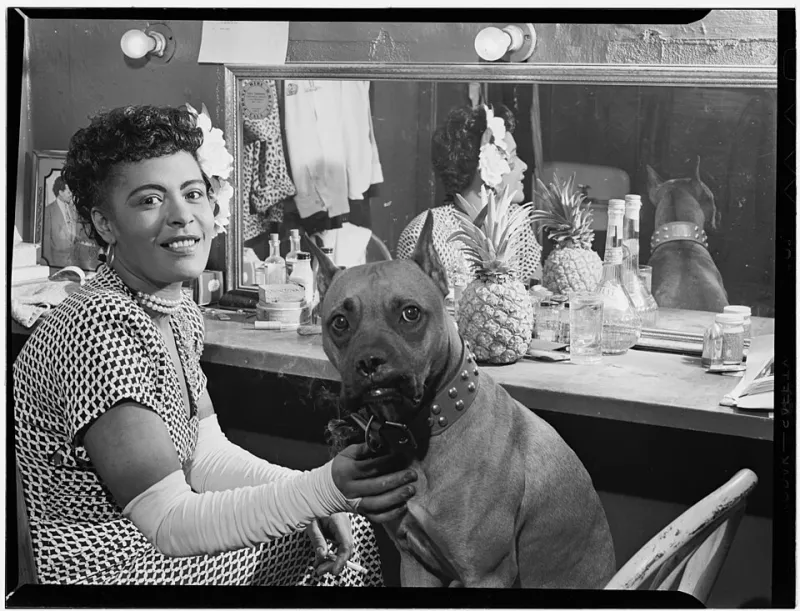
Photo: Giles Laurent, CC BY-SA 4.0, via Wikimedia Commons
The Photo You Didn't Mean to Take
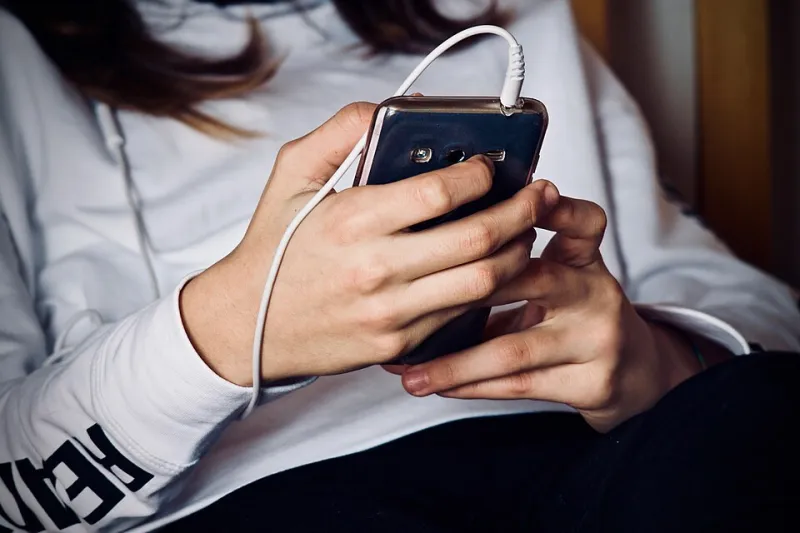
You probably have a folder on your phone right now. Maybe it's buried somewhere between screenshots and grocery list reminders. But if you scroll back far enough, you'll find it—a photo you barely remember taking. Your cat curled into a perfect comma on the couch. Your dog mid-yawn, eyes half-closed, completely unbothered. Your old girl lying in a patch of afternoon sun that hit the floor at just the right angle.
You didn't set up the shot. You didn't adjust the lighting or ask anyone to sit still. You just grabbed your phone because something in your chest said get this, and then you went back to whatever you were doing.
That photo is probably one of the most important things you own.
It sounds dramatic until you've lost a pet. Then it sounds exactly right.
Why Candid Moments Hit Harder Than Posed Ones
There's actual psychology behind this. Researchers who study nostalgia and emotional memory have found that our brains assign higher sentimental value to moments that feel real rather than constructed. When we look at a candid photo, we're not just seeing an image—we're re-entering a moment. The context floods back. The smell of the room. The sound of their breathing. The specific weight of that particular afternoon.
Posed portraits, as beautiful as they are, carry a different kind of memory. They remind us of the occasion. The candid shot reminds us of the life.
There's also something about imperfection that signals authenticity. A slightly blurry photo, bad lighting, your pet caught mid-sneeze—none of that registers as a flaw when the image carries emotional truth. In fact, those "flaws" often become the things we love most about the photo. They prove it was real. They prove you were there.
The Science of "I Was Just There"
Psychologists call it the reminiscence bump effect—the way our memories attach most strongly to moments that felt ordinary at the time but took on meaning later. The Tuesday afternoon nap. The way they always sat next to you while you watched TV. The specific sound of their nails on hardwood floors.
Candid photos are the visual equivalent of those memories. They don't announce themselves as important. They just exist, quietly, until one day you need them more than you ever expected to.
This is especially true for pet owners who've experienced loss. Grief counselors who work with bereaved pet families consistently note that the images people return to most often aren't the formal portraits—they're the accidental ones. The screenshot of a video. The photo taken because the lighting looked pretty. The one where your dog photobombed a picture you were taking of something else entirely.
Those images hold the texture of the relationship, not just the appearance of it.
What Your Phone Already Knows
Here's something worth sitting with: your phone is probably already building a more complete emotional archive of your pet's life than any planned photography session ever could.
Not because phone cameras are better than professional equipment—they're not. But because your phone is there. It's there at 7 a.m. when your cat demands breakfast with theatrical urgency. It's there when your dog discovers a sprinkler for the first time. It's there on the last really good day, when you don't yet know it's the last really good day.
The volume and variety of those images creates something a single session can't replicate: a record of an actual life, lived in real time, full of the mundane and the magnificent all tangled together.
This isn't an argument against professional pet portraits—far from it. It's an argument for understanding what each kind of image does, and why both matter.
The Role of Professional Portraits in a Larger Story
A professional portrait session gives you something a phone photo rarely can: intention. A skilled pet photographer knows how to draw out your animal's personality, use light in ways that feel timeless, and create an image that holds up as art. That kind of image has a different function—it's the one you frame, the one you display, the one that makes guests stop and say who is that?
But here's what the best pet photographers will tell you: the professional portrait works in conversation with all those candid shots. Together, they build something fuller than either could alone. The formal portrait says, this is who they were. The candid photo says, this is what it felt like to love them.
At Tribute Pet Photography, we think about this a lot—especially when we're creating memorial work for families who've lost a beloved animal. The portraits we create are meaningful precisely because they exist alongside all those imperfect, accidental, irreplaceable phone photos. They anchor the story. They hold the memory from a different angle.
What You Can Do Right Now
If your pet is still with you, here's the most important thing we can tell you: keep taking those accidental photos. Don't wait for a good angle or better light. Don't put your phone down because the moment feels too ordinary to document.
Ordinary is exactly what you'll miss.
And if you've been meaning to book a professional session—for a senior pet, for a new addition, for a memorial tribute—don't keep putting it off. Those images will matter in ways you can't fully predict right now.
The accidental shot and the intentional portrait aren't competing with each other. They're collaborating on something you'll carry for the rest of your life.
The Image You Didn't Know You Needed
Somewhere in your camera roll, there's a photo you haven't thought about in months. Maybe years. And one day—maybe after a hard loss, maybe just on a random afternoon when you're missing them—you're going to find it.
It won't be the one you planned. It'll be crooked, or soft around the edges, or taken in the worst possible light. Your pet will be doing something completely ordinary: sleeping, eating, just existing in the same space as you.
And it will be, without question, one of the most precious things you've ever seen.
That's not an accident. That's love, caught off guard.