Clay, Fur, and Light: Building a Memorial Display That Lets You Touch the Memory

Photo by Photo by Annie Spratt on Unsplash on Unsplash
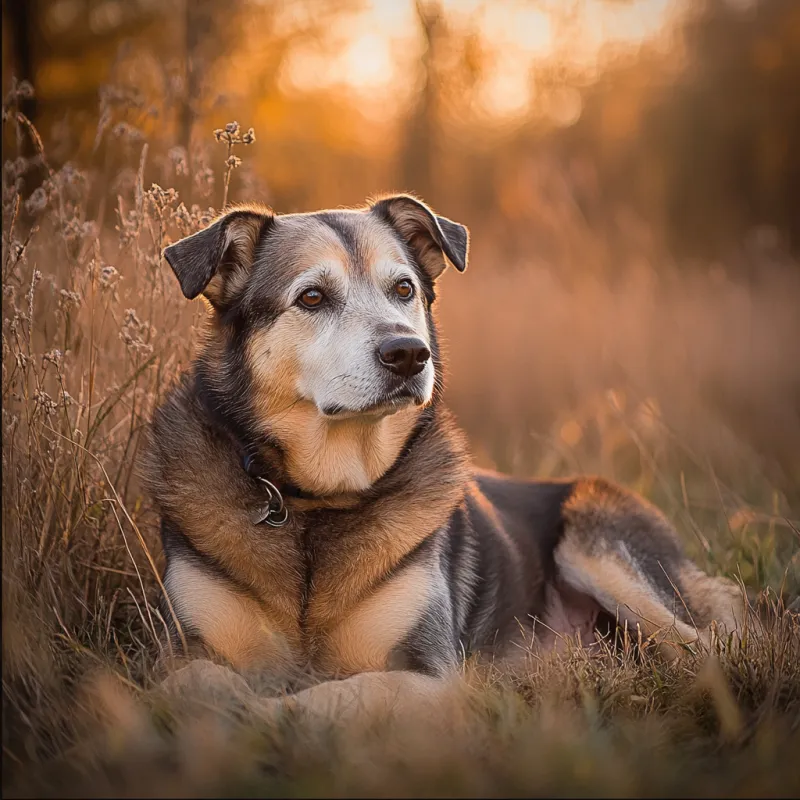
Most pet memorials start with a photo. That makes sense. A portrait gives you the face you miss: the tilt of an ear, the softness around the eyes, the way they looked at you when they wanted a walk. But a photograph is not the only thing grief asks for. Many owners also want something their hands can understand—a clay paw impression, a lock of fur, the collar that still smells faintly like home. Pairing those physical keepsakes with a professional portrait can turn a collection of objects into a single, coherent tribute.
The key is to think of the portrait and the keepsake as partners, not competitors. One holds light and expression. The other holds texture and weight. Together, they give you a memorial you can look at and also reach for.
Start With the Impression, Not the Frame
If your pet is still with you, the easiest time to make a paw impression is before the memorial session, not during it. Clay kits are widely available at craft stores and through veterinary offices, and many studios keep air-dry clay on hand for exactly this reason. Ask your photographer whether they can photograph the impression-making itself. Those behind-the-scenes frames—your hands pressing a paw into clay, your pet looking mildly confused about the whole thing—often become more precious than the finished object.
If your pet has already passed, you may have an ink paw print from your vet, a clay impression made at the clinic, or a clipping of fur saved in a small envelope. Bring whatever you have. Do not worry about whether it is polished or complete. A slightly smudged paw print is still a record of a real paw. A collar with a scratched buckle is still a collar that went on a thousand walks.
Bring the Keepsakes to the Studio
Tell your photographer ahead of time what you are bringing. A good studio will plan for detail shots: the collar resting on a textured blanket, the clay impression photographed beside a favorite toy, the fur clipping placed on a clean surface with soft side light. These are not filler images. They are the connective tissue between the portrait and the object.
Keep fragile items in a sturdy box. If the collar is delicate, avoid stretching it around a prop. If the clay is still drying, give it more time than you think it needs. And if you are bringing a pet who is alive and wiggly, schedule the keepsake photos for the end of the session, after the main portraits are done. Treats and patience go a long way.
Choose a Display That Invites Touch
A shadow box is the classic solution for a reason. It gives you depth: the portrait on the back panel, the paw impression on a small shelf, the collar looped around a hook. You can see everything at once without crowding the frame. Choose archival materials and UV-filtering glass if the display will hang near a window. Direct sun is not kind to fur, clay, or printed photographs.
A double mat with a small built-in ledge is another option. It looks more like traditional framing and less like a museum case. For a lighter approach, consider a floating frame with the portrait and impression mounted side by side, then place the collar on a small shelf below. The goal is not to seal the memory away. The goal is to make it part of the room.
Design the Wall, Not Just the Frame
One large portrait plus one small impression is often enough. You do not need a gallery wall unless you want one. A simple vertical arrangement—portrait above, impression and collar below—reads cleanly and leaves room for a candle or a small vase. If you have multiple pets, keep the frame styles consistent but let each display have its own keepsake. Matching frames do not erase personality. They just keep the wall from feeling noisy.
Lighting matters more than most people expect. A picture light or a nearby lamp can bring out the texture in the clay and the softness in the fur. Avoid placing the display where it will be backlit by a bright window. You want the face to be lit, not silhouetted.
The Emotional Payoff
There is a reason people cry when they see the finished piece. A portrait alone can feel almost too clean—beautiful, but untouchable. The paw impression adds evidence. It says: this animal was here. This animal had weight and warmth and a particular way of standing. Seeing the image and the object together can make the loss feel more real and, strangely, more bearable. It gives grief a place to land.
Children often gravitate toward the tactile part. They want to touch the clay, trace the pads, hold the collar. That is not disrespect. It is how they stay close. A shadow box with a glass front can still invite looking, and a small open shelf can invite touch. You get to decide what feels right for your home.
A Simple Checklist
Make or gather the impression before the session if possible. Tell the photographer what you are bringing. Ask for detail shots of the keepsakes. Choose archival framing. Keep the display out of direct sun. Leave room for the object to breathe. And do not wait for a perfect arrangement before you hang it. A memorial display is not a test of how much you loved them. It is just a way to keep the evidence close.
At Tribute Pet Photography, we have seen how much a small piece of clay can change the way an owner looks at a portrait. The photo gives you the face. The paw print gives you the proof. Together, they give you something that feels less like a record and more like a relationship.