Three Weeks, One Frame: Why Foster Families Are Booking Portrait Sessions Before Goodbye
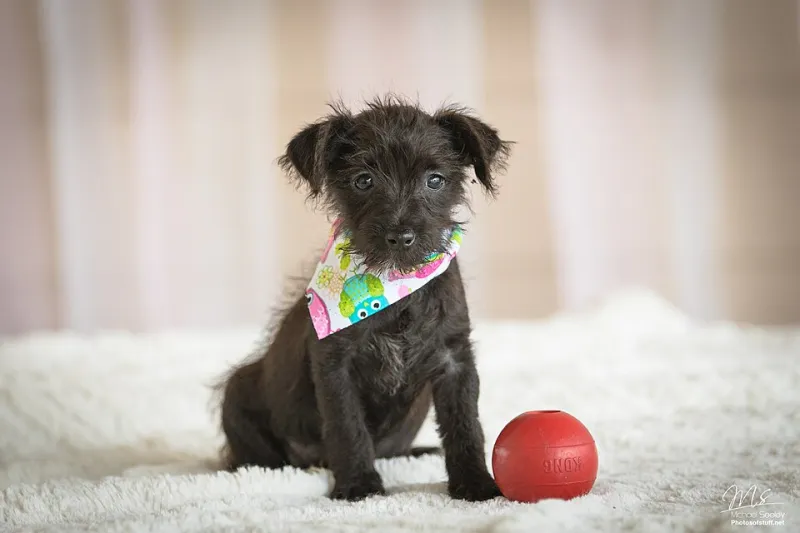
Photo: Michael Seeley from Melbourne, FL, United States, CC BY 2.0, via Wikimedia Commons
Foster families are, by definition, not supposed to get attached. The arrangement is meant to last weeks, maybe a couple of months. The dog sleeps in the guest room, eats from a borrowed bowl, and eventually leaves for a home that isn't yours.
And yet the requests keep coming in. More and more, the people calling our studio aren't the ones who've had a dog for twelve years—they're the ones who've had one for three weeks and want to remember it properly before the car pulls away.
The Foster Shelf Problem
Ask a longtime foster parent what they have to show for a decade of placements and you'll usually get a version of the same answer: a phone full of blurry pictures, a few texted photos from adopters, and a Facebook album that stopped being updated around 2018.
The dogs come and go so fast that nobody thinks to document them. There's a vet appointment, a meet-and-greet, a home visit, a handoff. Then a new dog arrives and the cycle starts over. In a house that is constantly in transition, the camera is the last thing anyone reaches for.
That's changing. Rescues around the country have started folding professional portraits into their foster onboarding—sometimes as an adopter-facing marketing asset, sometimes as a thank-you to the volunteer. Studios that specialize in tribute and memorial work are picking up a specific kind of booking: a session with no adoption pending, no holiday card involved, just a foster family who wants one good frame before the placement ends.
Why They Book
The reasons vary more than you'd expect.
Some fosters are documenting a dog's transformation. A terrified seven-pound rescue who wouldn't come out from under the table on day one versus the same dog sprawled across a couch four weeks later—that before-and-after is one of the most persuasive things an adopter can see. It's also proof to the foster parent that the work mattered.
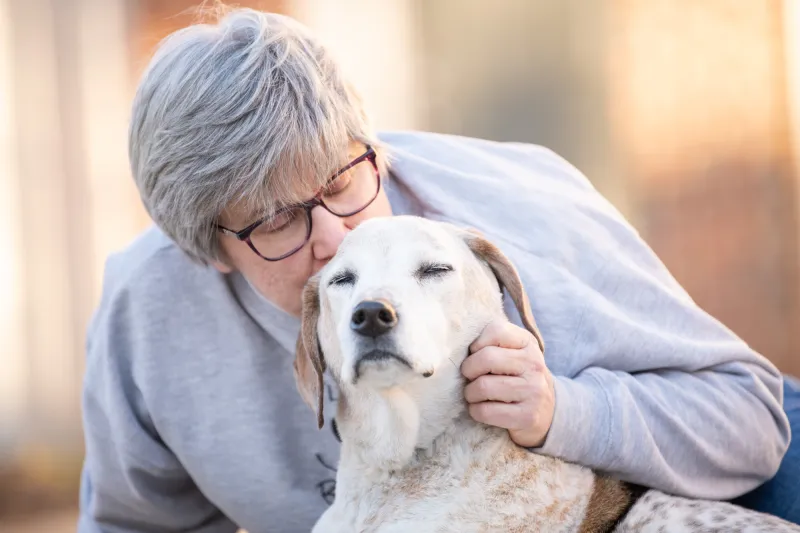
Others are in a harder spot: a senior dog, a dog with a terminal diagnosis, a hospice placement. Those sessions tend to be quieter, and they're the ones photographers describe as the most meaningful work they do.
And some fosters book simply because they've learned the hard way that a placement can end suddenly—a returned dog, an illness, a rescue that pulls a pet back into the system—and they'd rather have the photographs than the regret.
The Shy Dog Problem
Transitional pets are not easy subjects. A dog who has been in the home for eleven days may still be shutting down in new environments, and a studio with lights and a backdrop is not where a fearful animal wants to be.
Experienced photographers handle this by throwing out the playbook. For fosters, the standard advice tends to look like this:
- Shoot at home first. The guest room, the borrowed bed, the corner where the dog feels safe. Location work isn't a compromise—it's often the better session.
- Use the resident pets. If the foster has a confident, calm dog of their own, put that animal in the frame. Shy dogs borrow courage from other dogs far faster than they take it from a squeaky toy.
- Let the leash stay on. For a dog who is still learning that the world is safe, a leash in the frame isn't a flaw. It's the truth of that period.
- Build in a slow start. Twenty minutes of nothing but sitting on the floor and letting the dog investigate is not wasted time. It's the session.
- Skip the flash. Natural light, soft window light, a long lens, and patience.
The Adoption Photo
There's a practical payoff, too. Good portraits move dogs. A clean, well-lit image of a foster pet—on a real couch, in real light, looking like a dog who already lives somewhere—outperforms a phone snapshot taken in a kennel run nearly every time, and rescues know it. Some foster parents book a session specifically to hand the images to the rescue's social media volunteer.
The result is a strange, lovely double life for those photos: they get a dog adopted, and then they live on in a folder on the foster parent's phone for years after the adopter stops sending updates.
What Happens After the Car Pulls Away
This is the part of foster work that gets discussed less often. Placement is a loss, even when the ending is a good one. The dog is safe, the family is happy, the system works—and your house is quiet again, and the bowl is in the dishwasher, and you will absolutely cry in the driveway.
Those photographs do something specific in that moment. They don't just say look at this cute dog. They say this animal was here, in this house, with me, for a little while, and it mattered.
A Quiet Act of Closure
We've had foster parents come in with a dog they knew was leaving in five days, and we've had them come in with a dog whose placement had already ended. Both sessions tend to feel the same in the room: soft, deliberate, and a little bit solemn.
Temporary homes don't produce permanent pets. But they do produce a permanent record—one frame at a time, of every animal that passed through, and every person who made room.