Shots Taken in the Waiting Room: Why Vet Visit Photos Are Becoming Some of the Most Treasured in a Pet Owner's Collection
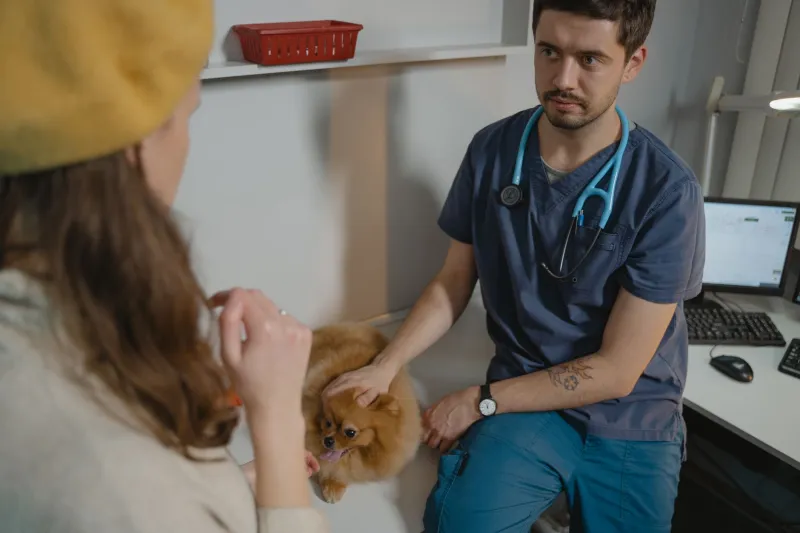
Nobody walks into a veterinary clinic thinking, this is the moment I want to remember. The waiting room smells like antiseptic. Your dog is shaking on the slippery exam table. Your cat has wedged herself so far into the corner of the carrier that you can only see one eye. The lighting is unflattering, the backdrop is a laminated poster about dental hygiene, and everyone — including you — looks a little rough.
And yet.
More and more pet owners across the country are quietly pulling out their phones in those exam rooms, snapping a photo before the vet comes in, capturing a moment that feels more like survival than celebration. And years later — sometimes much sooner than they expected — those photos become some of the most important images they own.
Why These Photos Feel Wrong at First
There's a reason most people don't photograph vet visits. It feels clinical. Intrusive, even. Like you're documenting something you'd rather not be experiencing. We tend to save our cameras for the good stuff — birthdays, first days home, lazy Sunday afternoons on the couch. The vet's office feels like the opposite of a photo op.
But that instinct to look away is worth examining. Because the discomfort you feel in that exam room? That's love. It's the specific kind of love that shows up when things are hard, when you'd rather be anywhere else, when you're sitting on a plastic chair anxiously waiting to hear whether your dog's limp is serious or your cat's bloodwork came back clean.
Photographing that moment doesn't make it worse. It honors it.
What These Images Actually Capture
When you look at a vet visit photo later — even a mundane one from a routine checkup — you're not just seeing your pet on an exam table. You're seeing evidence of a relationship.
You're seeing that you showed up. That you advocated. That you sat in that uncomfortable chair and held their paw and talked to them in a low voice even though you felt helpless. The photo becomes a record of your commitment — a visual document of the kind of love that doesn't get enough credit because it's quiet and scared and unglamorous.
Pet owners who've lost animals often describe going back through old photos and landing on a vet visit snapshot with a kind of stunned recognition. That was the appointment where we first noticed something was off. Or: That was six months before we lost her, and she still looked so strong. Or simply: I forgot I was even there with him. I'm so glad I have this.
The Routine Visits Matter Just as Much
It's easy to understand why someone might photograph a significant medical moment — a post-surgery recovery, a final comfort visit, the day a frightening diagnosis was handed down. Those moments carry obvious emotional weight.
But don't overlook the ordinary ones. The annual vaccine appointment where your dog sat perfectly still and got three treats from the vet tech. The time your cat got a clean bill of health and you cried with relief in the parking lot. The puppy's very first checkup, all gangly limbs and nervous energy.
These routine visits, documented over years, create a timeline you didn't know you were building. Flip through them in order and you'll see your pet age. You'll see them go from anxious to familiar, from small to gray-muzzled. You'll see yourself change, too — the way you hold them, the way you look at them, the quiet fluency of a bond that deepened appointment by appointment.
How to Actually Do It Without Feeling Awkward
If you've never photographed a vet visit before, it can feel strange to start. Here are a few low-pressure ways to ease into it:
Just document the waiting. The waiting room shot — your pet in your lap, on the bench beside you, or peering out from their carrier — is often the most emotionally resonant. It captures the anticipation, the closeness, the way they look to you for reassurance.
Ask before you snap. Most veterinary staff are completely fine with clients taking photos, especially during non-critical moments. A quick "do you mind if I take a couple of pictures?" goes a long way and usually gets a warm yes.
Skip the pressure to make it pretty. This isn't the time for composition or lighting. Point and shoot. Blurry is fine. The ceiling tiles in the background are fine. The crinkly paper on the exam table is fine. Authenticity is the whole point.
Capture the small interactions. The vet tech scratching behind your dog's ears. Your cat pressing her forehead into your chin while you wait. Your rabbit sitting bolt upright, ears fully extended, watching the door. These tiny moments are the ones that will undo you later, in the best possible way.
When the Visit Is a Hard One
This part requires a gentler conversation. If you're at the vet for a difficult reason — a serious diagnosis, a pain management discussion, a final visit — photographing that moment is a deeply personal choice. There is no right answer.
Some people find that having a photo from those final appointments becomes something they return to often. It's proof that they were present. That their pet wasn't alone. That love showed up even in the hardest hour.
Others find it too painful to document in real time, and that's entirely valid. If the idea of taking a photo feels wrong in the moment, trust that instinct. Memory is its own form of preservation.
But if you're on the fence — if some part of you wants to capture it but you're not sure you're allowed to — consider this permission. You're allowed. These moments belong to you and your pet, and however you choose to hold onto them is the right choice.
The Photos You'll Be Glad You Took
There's a pattern that shows up again and again among pet owners who've experienced loss: the photos they thought they'd never want are often the ones they can't put down.
The shot of their dog wrapped in a blanket after surgery. The selfie taken in the parking lot after a scary appointment, both of them looking exhausted and relieved. The photo of their cat sitting on the exam table looking deeply unimpressed by the whole situation.
These images don't just document veterinary care. They document a life being tended to. A creature being loved with full attention, even when — especially when — it was inconvenient or frightening or heartbreaking.
That's what tribute photography is really about, at its core. Not just the beautiful moments. All of them. The whole, complicated, gorgeous, difficult story of the time you spent together.
The vet's office is part of that story. It always was. You just have to decide to let the camera in.