The Ordinary Shot That Ends Up Meaning Everything

You probably have a folder on your phone right now. Maybe it's labeled something like "Pets" or "Funnies" or maybe it's just buried inside your camera roll, unnamed and unorganized. And somewhere in that folder is a photo that shouldn't matter as much as it does.
Your dog, half-asleep, one paw flopped over his nose. Your cat sprawled on the bathroom rug looking like she's having an existential crisis. Your bird side-eyeing the camera with an expression so perfectly deadpan it could be a meme. Nobody staged those shots. Nobody adjusted the lighting. Nobody waited for the right moment.
And yet — those are the ones you keep going back to.
Why the Unplanned Stuff Hits Hardest
There's something that happens when you look at a carefully posed portrait of your pet. It's beautiful. It's intentional. You can see the love that went into creating it. But when you look at a blurry snapshot of your dog doing absolutely nothing interesting on a random Tuesday afternoon, something different happens. Something quieter, and somehow more devastating.
It's because those unplanned photos don't show you your pet performing for the camera. They show you your pet existing. Fully, completely, without any awareness that anyone is watching.
That's a kind of intimacy that's really hard to manufacture. And once your pet is gone, it becomes priceless.
Pet owners who've experienced loss will tell you this over and over again: the photo they reach for isn't always the beautiful portrait taken at golden hour. Sometimes it's the one where their dog is mid-yawn, eyes scrunched shut, looking like a ridiculous little gremlin. Because that was him. That was exactly, perfectly him.
The Yawn, the Flop, the Stare
Let's talk about the specific kinds of ordinary moments that tend to age into treasures, because recognizing them in real time is half the battle.
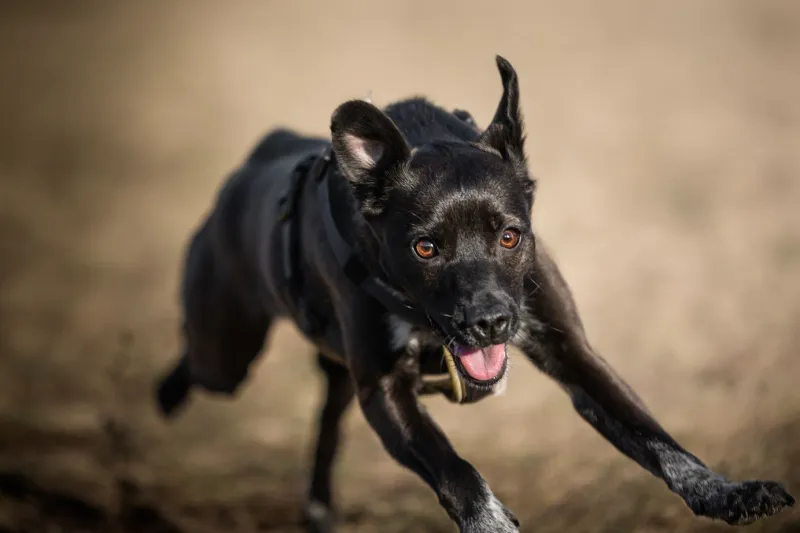
The mid-action blur. Your cat leaping off the counter, your dog spinning in circles before settling into bed — these shots are often dismissed as failed photos. Too blurry, too chaotic. But movement tells a story. It captures energy and personality in a way that a still image can't always manage.
The accidental eye contact. You weren't trying to take a portrait. You were just pointing your phone at your pet while they happened to look up. But that direct gaze — unguarded, curious, totally unposed — can feel more intimate than any carefully composed shot.
The ridiculous sleeping position. Pets sleep in ways that seem physically impossible. Legs in the air, head hanging off the couch, nose buried in a pile of blankets. These photos are funny in the moment, but they're also deeply specific. Nobody else's dog sleeps exactly like yours does.
The "doing nothing" shot. Just sitting. Just existing. Just being a creature in a room, in a patch of sunlight, minding their own business. These feel boring to capture. They feel important later.
How to Start Noticing These Moments
The tricky thing about ordinary moments is that they don't announce themselves. You have to be paying a different kind of attention.
One shift that helps: stop waiting for your pet to do something worth photographing. Instead, pick up your phone when your pet is just there — when they're calm, or sleepy, or doing something they do every single day. Especially that last one. The everyday habits are the ones that disappear completely from memory after a loss, and the ones you'd give anything to remember.
Another tip: photograph the context, not just the subject. Your dog on that specific chair they claimed as their own. Your cat in front of the window they spent every morning staring out of. Your bird on the perch they always chose first. The environment around your pet tells part of their story, and it's a part that's easy to forget.
And honestly? Lower your standards a little. Not every photo needs to be a great photo to be a meaningful one. A slightly out-of-focus shot of your cat yawning is still a shot of your cat yawning. The imperfection doesn't diminish it — sometimes it adds to it.
The Photos That Fill in the Gaps
Here's something that comes up a lot when people talk about pet loss: the specific, strange grief of forgetting details. The way their pet smelled. The exact sound of their bark. The particular way they tilted their head when they were confused.
Photos can't capture everything. But they can anchor memories that would otherwise drift away. And the ordinary photos — the ones that captured your pet just being themselves on an unremarkable day — are often the ones that do the most work in keeping those details alive.
A professional portrait session is an incredible way to honor your pet. The images that come out of those sessions are often stunning, and they give you something intentional and lasting to hold onto. But they work alongside the casual, chaotic, everyday snapshots — not instead of them. Both kinds of images are doing something important. The portrait says this is who you were. The ordinary shot says this is what it felt like to live with you.
That second thing is harder to replace than most people realize until it's gone.
Start Saving the Unremarkable Stuff
If you take one thing from this, let it be this: don't delete the weird ones. Don't skip past the yawn photo because your dog's eyes are closed. Don't dismiss the shot where your cat is in a completely unflattering position. Don't pass on the blurry video of your bird doing absolutely nothing.
Save it. Back it up. Maybe even print it someday.
Because somewhere down the road — whether that's ten years from now or sooner than you'd like — you're going to scroll past that photo and it's going to stop you completely. Not because it's beautiful. Because it's true. Because it looks exactly like them. Because it looks exactly like a Tuesday afternoon that you didn't know you'd want to remember forever.
Those are the photos worth keeping. And they're happening right now, all the time, in your living room and your backyard and your kitchen — in every unremarkable moment your pet is just quietly, perfectly themselves.