The Shot You Almost Missed: Why Unplanned Moments Make the Most Powerful Pet Photos
Photo: Giuseppe Milo, CC BY 3.0, via Wikimedia Commons
You've probably done it. You set everything up — good lighting, clean background, treat in hand — and your cat looks anywhere but the camera. Then, thirty seconds after you give up and toss your phone on the couch, she does the most unbearably cute thing you've ever seen. You scramble. You grab the phone. The photo is slightly blurry, a little dark, framed completely wrong.
And somehow, it's the one you keep going back to.
There's a reason for that, and it's not just sentimental luck.
Why Perfectionism Gets in the Way
When we decide we're going to take a photo, something shifts — and not just in us. Pets are remarkably tuned into human energy. Dogs especially pick up on tension, focus, and intention. The moment you crouch down with your phone aimed directly at your pup's face, you've changed the dynamic of the room. Now it's a task. Now there's pressure. And animals, bless them, have absolutely no interest in cooperating with tasks.
The result? Stiff postures, averted eyes, and that classic look of mild confusion that, while endearing, doesn't exactly capture the soul of your animal.
Contrast that with the moment you're just living — sitting on the floor folding laundry, watching TV, eating breakfast — and your pet wanders into the scene completely unaware they're about to become the subject of something beautiful. That's when the real magic tends to happen.
The Psychology Behind the Candid
There's a concept in portrait photography called the "decisive moment" — a term coined by legendary photographer Henri Cartier-Bresson to describe that split second when everything aligns: emotion, composition, light, and action. With humans, capturing that moment takes skill and timing. With pets, it takes something slightly different: presence.
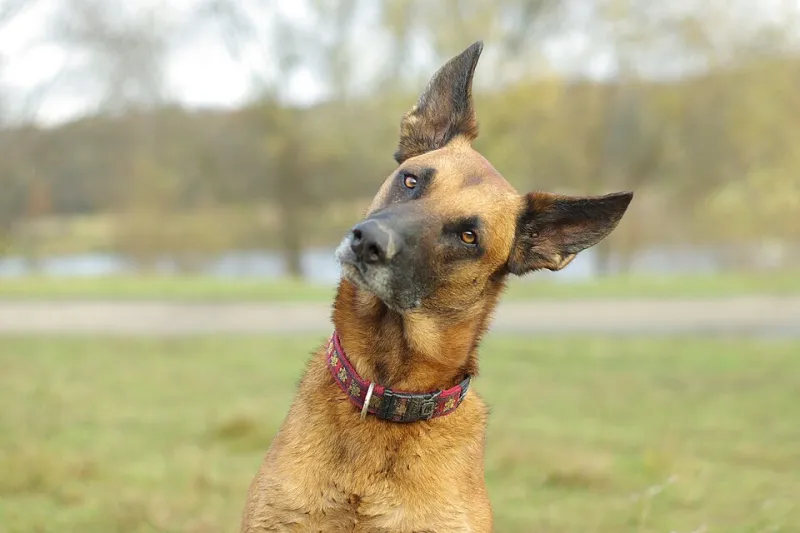
When you're genuinely present with your animal — not performing the role of photographer, but just being their person — you start to notice things. The way your dog's ears perk up right before he hears the mail truck. The exact angle your cat tips her head when she's deciding whether or not to knock something off the counter. The half-asleep stretch your rabbit does every single morning without fail.
Those moments? They're not random. They're your pet. And when you happen to catch them on camera, the resulting photo carries an emotional weight that no amount of careful staging can replicate.
Your Phone Is Already Good Enough
Here's something the photography world doesn't always say loudly enough: for candid pet moments, your smartphone is genuinely excellent. Modern phone cameras are fast, capable in lower light than they used to be, and — most importantly — always within reach.
The best camera is the one you have with you, and you're almost never without your phone. That's a significant advantage when your golden retriever decides to fall asleep with his paw draped over the edge of the couch in the most heartbreakingly perfect way.
A few things that help:
- Keep your camera app accessible. Swipe shortcuts and lock-screen camera access exist for exactly this reason. Shave those extra seconds off.
- Use burst mode. Most smartphones have it. Hold the shutter button down and let the camera grab a rapid series of frames. You'll get the blink, the blur, and — tucked somewhere in the middle — the one.
- Don't overthink the crop. Shoot first, straighten later. Editing apps can fix a tilted horizon. They can't recreate the moment.
- Embrace the grain. Low-light photos have texture. Sometimes that texture adds mood rather than subtracting quality.
What "Imperfect" Actually Means
It's worth reframing what we even mean by an imperfect photo. We tend to judge pet pictures by the same standards we apply to professional portraits — sharp focus, flattering light, subject looking at the camera. But those standards were designed for a different purpose.
A memorial tribute photo isn't trying to be a headshot. It's trying to be a memory.
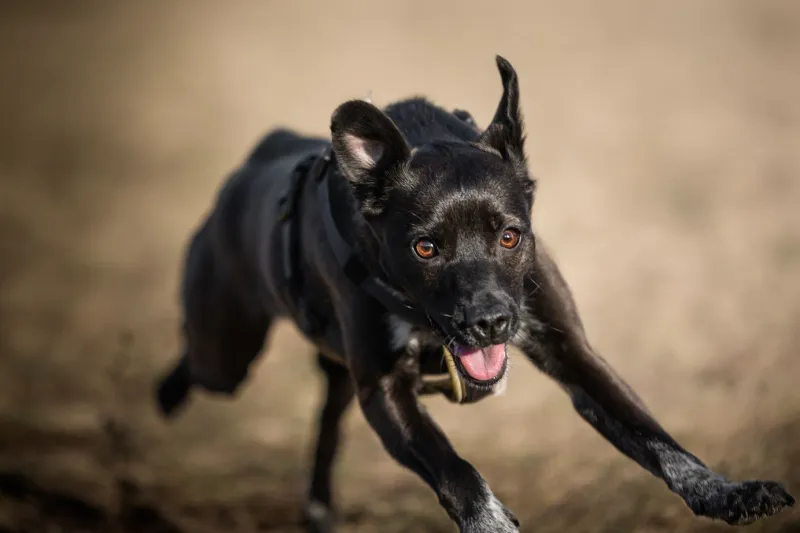
And memories aren't sharp. They're layered. They carry feeling more than detail. When you look back at photos of a pet you've lost, you're not checking the exposure settings — you're feeling their presence. The slightly blurry shot of your dog mid-run in the backyard might do more for your heart than a perfectly composed studio portrait, because it moves. It's alive in a way that stillness sometimes can't match.
At Tribute Pet Photography, we've heard this from so many families: the photo they treasure most isn't always the formal session portrait. Often, it's the one taken on an ordinary afternoon that they almost didn't bother to save.
Building the Habit of Noticing
The real skill here isn't photographic — it's attentional. It's training yourself to notice when something worth capturing is happening, and to act on that instinct before the moment dissolves.
One practical approach: designate a specific album on your phone just for your pet. Every time you snap something — even something you're not sure about — drop it there. Don't curate in the moment. Let the collection grow messy and abundant. You'll sort it later. What matters right now is that you're building an archive of a life, one unplanned frame at a time.
Some people set a loose intention: once a day, or even once a week, try to catch one real moment. Not a posed photo. Just something true. Over months and years, that habit produces something extraordinary — a visual diary of who your pet actually was, in the specific and unrepeatable way they were yours.
The Photos That Last
Professional portrait sessions have their place, and they create something genuinely irreplaceable — a formal, beautiful tribute that you'll be proud to display and pass down. But the candid shots? Those are the ones that live in your chest.
They're the ones you show people when you're trying to explain what your pet was like. They're the ones that make you laugh-cry at 11pm. They're the ones that, years from now, will bring them back to you in the most immediate and surprising way.
So the next time you almost don't bother — because the lighting's off, or you're in the middle of something, or you think I'll get a better one later — consider grabbing the shot anyway. The imperfect photo you take today might be the perfect memory you need tomorrow.