What Your Pet Is Really Saying: Reading Body Language for Photos That Actually Feel True
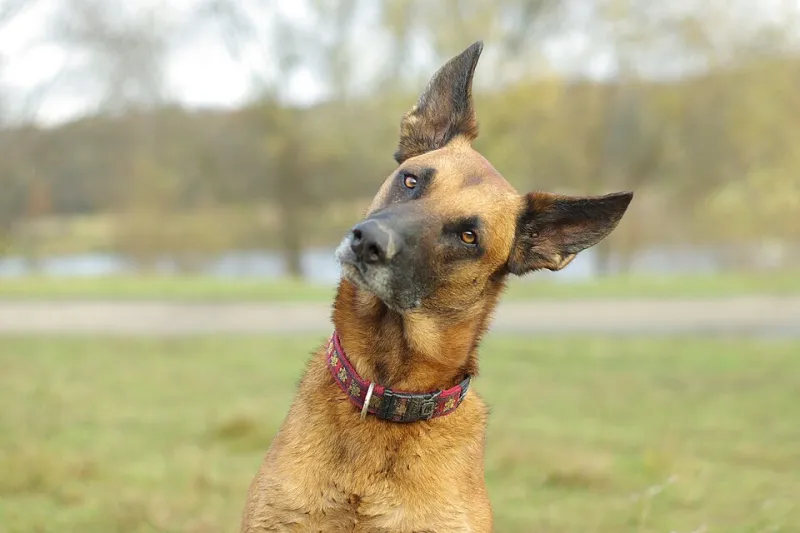
Photo: Olgierd Rudak, CC BY-SA 4.0, via Wikimedia Commons
There's a moment in almost every pet photography session where everything clicks. The dog tilts his head just so. The cat stretches out like she owns the place. The rabbit perks up at exactly the right second. And when that moment is captured, the resulting photo doesn't just look good — it feels true. It feels like them.
But those moments don't appear out of thin air. They happen because someone — a photographer, a pet owner, or both — was paying close attention to what the animal was communicating. Pets are constantly talking to us through their bodies. Most of us just haven't been taught to listen.
Here's how to start.
Why Body Language Matters More Than You Think
When you bring your pet in for a professional portrait session, you're not just hoping for a technically well-exposed image. You're hoping for something that captures the soul of your animal — the quirky, lovable, irreplaceable personality that made you fall for them in the first place. Getting there requires more than good lighting and a fast shutter speed.
A pet that's stressed or overstimulated will look stiff, wide-eyed, or checked out in photos. A pet that's comfortable and engaged will look relaxed, expressive, and fully present. The difference between those two outcomes often comes down to how well you and your photographer can read the room — and respond to what your animal is telling you.
Signs Your Pet Is Comfortable (and Camera-Ready)
For dogs, comfort usually shows up in the body first. A relaxed dog has loose, wiggly posture — think a soft wagging tail that moves in wide, sweeping arcs rather than tight, stiff flicks. Their mouth may be slightly open, their eyes soft and blinking naturally. Ears sitting in a neutral position (not pinned back, not rigidly forward) are a good sign, too.
For cats, comfort looks a little different. A cat that's genuinely at ease will often slow-blink, knead a surface, or hold their tail loosely upright with a slight curl at the tip. They might rub their face against objects in the space — a behavior called bunting — which is actually a sign of confidence and familiarity.
Smaller animals like rabbits and guinea pigs show comfort through what's called a "binky" (a sudden joyful leap or twist in rabbits) or through relaxed, low body postures and steady, curious eye movement.
When you notice these cues during a session, that's the moment to keep the energy calm and consistent. Don't rush it. Let the camera do its job.
Recognizing Stress Before It Shows Up in Photos
Stress signals are easy to miss if you're not looking for them — and they can quietly ruin an otherwise great session.
In dogs, watch for yawning outside of actual tiredness, excessive lip-licking, or a tail tucked toward the belly. A dog that suddenly becomes very still or starts sniffing the ground obsessively may be trying to self-soothe. Whale eye — where you can see the whites of a dog's eyes — is a more urgent sign that the animal is feeling overwhelmed.
Cats often signal stress through dilated pupils, a puffed-up tail, flattened ears, or a crouched, low-to-the-ground posture. A lashing tail is not the same as a wagging tail — it usually means your cat is irritated or overstimulated, not playful.
If you notice any of these signs during a session, the best thing you can do is give your pet a break. Step back, lower the energy in the room, and let them decompress. Pushing through stress signals almost never produces the kind of photos you're hoping for.
Curiosity and Playfulness: The Sweet Spot
Some of the most compelling pet portraits come from moments of genuine curiosity. A dog with ears perked forward, head tilted slightly, eyes bright and focused — that's not a posed look. That's an animal trying to figure something out, and it photographs beautifully.
For cats, curiosity often shows up as slow, deliberate movement toward something new. Whiskers fanned forward, pupils slightly dilated, body low but not tense. That's a cat in full investigation mode, and if you can capture it without spooking them, the result is usually something pretty special.
Playfulness in dogs tends to involve the classic "play bow" — front legs extended, rear end up — along with bouncy, loose movement and bright, engaged eyes. In cats, play often looks like a focused, crouched stalk followed by a sudden burst of energy. Both are fantastic for action-style portraits.
Telling your photographer what kinds of play your pet enjoys can help them anticipate these moments. A squeaky toy that reliably makes your dog tilt their head, or a feather wand that sends your cat into full predator mode — those are tools worth bringing to the session.
How to Use This Knowledge Before and During a Session
One of the most valuable things you can do before a professional session is spend time observing your pet in a low-stakes environment. Watch how they move when they're happy. Notice what makes them freeze up or retreat. Pay attention to what sounds, smells, or objects light them up.
Then, share that information with your photographer. Good pet photographers aren't just technically skilled — they're also skilled readers of animal behavior. But they'll always benefit from knowing that your beagle goes completely still and alert when he hears a certain whistle, or that your tabby cat becomes her most relaxed self after about 20 minutes of quiet time in a new space.
During the session itself, trust what you're seeing. If your pet seems tense, say so. If they suddenly perk up in a way that looks promising, point it out. You know your animal better than anyone in that room, and that knowledge is genuinely part of the creative process.
The Photos That Last a Lifetime
At Tribute Pet Photography, we believe the best portraits are the ones that make you feel like your pet just walked into the room. That kind of image doesn't come from perfect positioning or a lucky coincidence — it comes from truly understanding your animal and working with who they are, not against it.
When you learn to read the silent language your pet speaks every single day, you stop chasing the shot and start finding it. And the photos that result from that kind of connection? Those are the ones you'll hang on your wall, pull out on hard days, and treasure long after the session is over.