The Photos You Keep Putting Off: Why the Hardest Shots to Take Are the Ones You'll Need Most
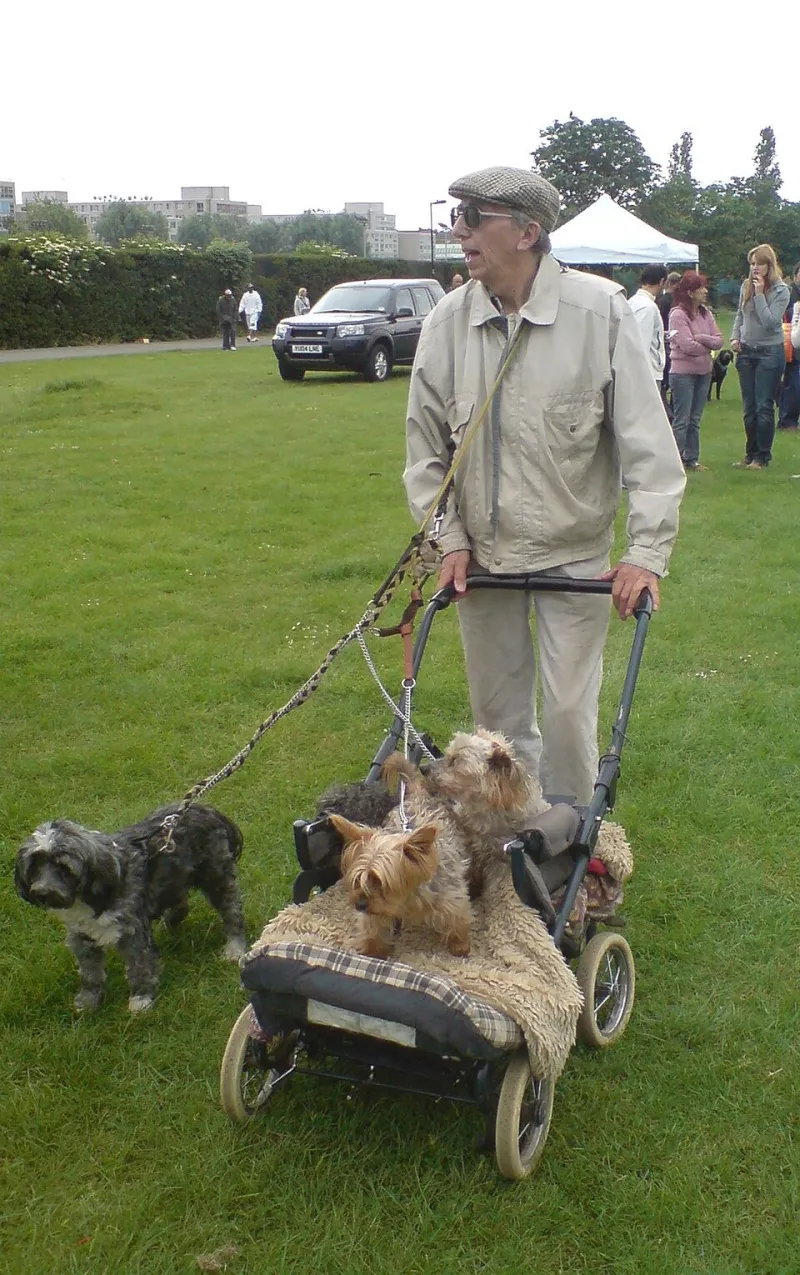
Photo: Alan Stanton, CC BY-SA 2.0, via Wikimedia Commons
You've got hundreds of photos of your pet mid-zoomie, stealing food off the counter, sprawled out in a patch of afternoon sunlight. Your camera roll is full of the good stuff — the easy stuff. The moments that feel safe to capture because they don't ask anything difficult of you.
But there's another category of moments. The ones where you reach for your phone and then quietly put it back down. The gray muzzle that appeared almost overnight. The way your dog hesitates at the bottom of the stairs now. The afternoon nap that stretches a little longer than it used to. You see it. You feel it. And then you look away.
You're not alone in that. Most pet owners do the same thing. But it's worth asking: why do we avoid these images, and what do we lose when we do?
The Psychology Behind the Camera We Put Down
Avoiding a photo isn't really about the photo. It's about what taking it would mean — an acknowledgment that something is changing, that time is doing what time always does, that the story you're living with your pet has a last chapter you're not ready to write.
Psychologists who work with grief often talk about anticipatory loss — the mourning that begins before a death actually occurs. When a pet starts showing signs of aging or illness, many owners enter this space without realizing it. The camera becomes a symbol of that confrontation. Pressing the shutter feels like admitting something out loud.
So instead, we wait for the "good days." We tell ourselves we'll take photos when they're feeling more like themselves. And sometimes those good days come. But sometimes the window closes before we ever pick the camera back up.
What Families Who Pushed Through Their Hesitation Found on the Other Side
Talk to enough pet families who've been through loss, and a pattern emerges. The photos they reach for most often aren't the ones from peak health and boundless energy. They're the quiet ones. The tender ones. The ones that were almost too hard to take.
One family in Ohio described photographing their 15-year-old Labrador during his final few weeks. He'd lost most of his hearing and moved slowly through the house, but he still made his way to his favorite window every morning to sit in the sun. His owner almost never photographed those moments — it felt too much like documenting a goodbye. But she finally did, and those images — soft light, a gray face, a dog completely at peace — became the ones she printed and framed after he passed. "I didn't want to take them," she said. "Now I can't imagine not having them."
Another pet owner shared that her cat had been diagnosed with kidney disease, and she spent weeks refusing to photograph her during the treatment period. She didn't want to remember her that way. But after some reflection, she started capturing the small daily rituals — the way her cat still curled against her every night, the slow blinks that hadn't changed at all. Those photos didn't document illness. They documented love that persisted through it.
The Difference Between Documenting Decline and Honoring Presence
There's an important reframe here, and it changes everything once it clicks.
You are not taking photos of what's being lost. You are taking photos of what's still there.
The gray muzzle isn't just age — it's years of companionship written on your dog's face. The slower pace isn't just decline — it's your pet trusting you enough to be still with you. The vulnerability you see when your animal isn't at their physical best is also the purest version of your bond, stripped of all the playful distraction.
Photographing these moments isn't morbid. It's honest. And honesty, in photography, is what creates images that last.
How to Actually Face It: Practical Ways to Start
If you've been putting off certain photos, you don't have to force yourself into a formal session to start. In fact, that kind of pressure often backfires. Instead, try a few smaller steps.
Just be present with your camera nearby. Don't commit to taking anything. Just let the camera exist in the space. Sometimes the act of having it close is enough to shift your mindset from avoidance to openness.
Reframe what you're capturing. Before you take a shot, ask yourself: what is still here right now that I want to remember? Not what's changing — what's present. That shift in intention changes the emotional weight of the moment.
Focus on connection, not condition. The most powerful images of aging or ailing pets almost never center on the physical. They center on the relationship. Your hand on their back. Their head in your lap. The way they still look for you when they hear your voice.
Consider a professional session. There's a reason memorial and legacy portrait sessions exist. A skilled pet photographer knows how to work gently with animals at any life stage and can create images that honor your pet with dignity and beauty, no matter where they are in their journey. Having someone else hold the camera can also give you permission to just be with your animal instead of managing the emotional labor of both loving them and documenting them at the same time.
The Regret That Goes Both Ways
Here's the hard truth: regret in pet photography almost always points in one direction. People rarely say they wish they hadn't taken a photo. They almost always say they wish they had taken more.
The image of your arthritic dog finally settling into his bed after a rough day. Your cat sitting in the sun, slower now but still purring. These aren't sad pictures. They're complete ones. They hold the whole of who your pet was — not just the highlight reel, but the full, beautiful, difficult, irreplaceable reality of a life shared with you.
The photos you're too scared to take are scared because they matter. And the ones that matter most are always worth taking.
If you're ready to create a portrait session that honors your pet wherever they are in their journey, we'd be honored to help. Reach out to Tribute Pet Photography — we specialize in exactly these moments.