Chasing the Light: A Season-by-Season Guide to Outdoor Pet Portraits Worth Framing
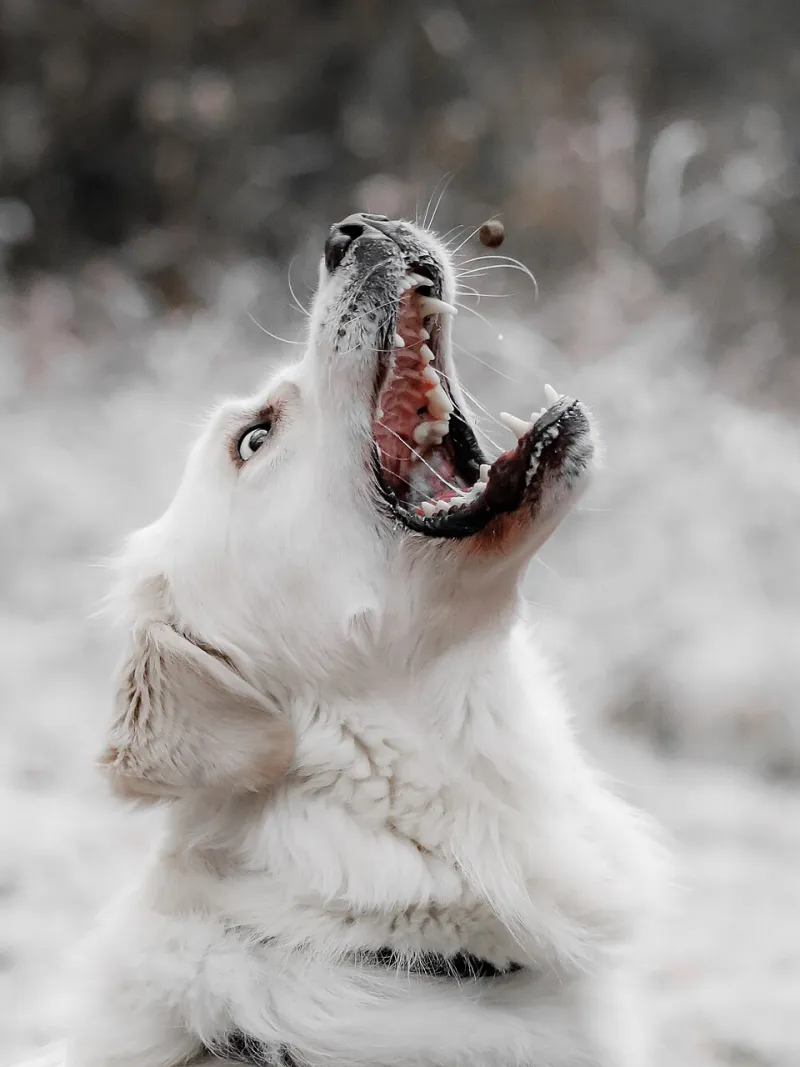
Photo: Dietmar Rabich, CC BY-SA 4.0, via Wikimedia Commons
There's a reason photographers get a little obsessive about the sky. When we take a pet's portrait outdoors, we're not just photographing a dog or a cat — we're photographing the light that falls on them, and that light changes by the hour and by the month. The same golden retriever can look like a different animal under July's high sun than she does in a November field at 4:45 in the afternoon.
If you've ever wondered why one photo from your phone's camera roll feels wall-worthy while a hundred others don't, odds are good the answer is light. Let's walk through how the seasons and the sun work together — and how to plan a session around them.
Why the Sun's Schedule Matters More Than Your Pet's
Midday sun is the enemy of a good portrait. When the sun sits directly overhead, it creates harsh shadows under the eyes (photographers call them "raccoon eyes"), blows out light-colored fur, and makes your pet squint. That's true in June in Texas and it's true in February in Minnesota.
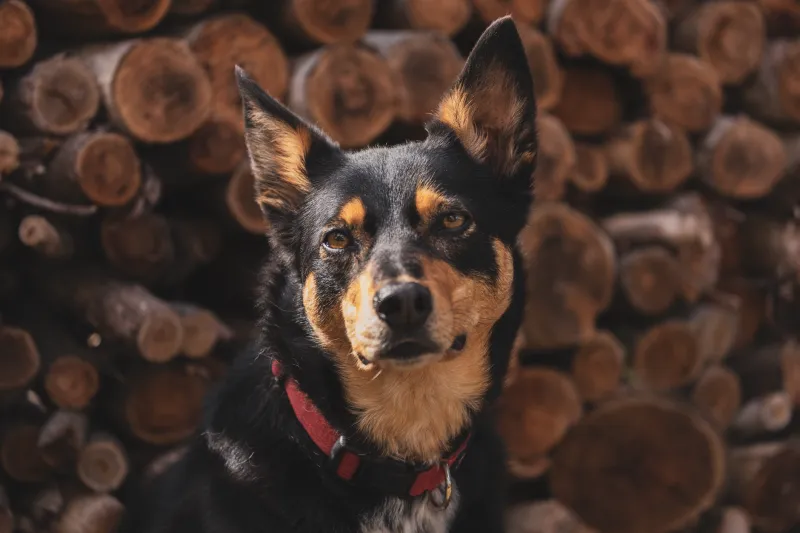
What we chase instead is low, angled light. When the sun sits closer to the horizon, its rays travel through more atmosphere, which softens them, warms them, and wraps them gently around fur and whiskers. This is the light that makes a black lab's coat show every shade of brown and amber, and makes a white cat glow instead of glare.
That low-angle light happens twice a day — shortly after sunrise and, more famously, in the hour before sunset. More on that golden hour in a minute.
The Golden Hour, Explained (Without the Jargon)
Ask any photographer why their favorite pet portraits end up framed, and golden hour comes up fast. Here's what's actually happening:
- Warm color temperature. Low sun produces light in the amber-to-gold range, which flatters virtually every coat color and gives skin and fur a healthy warmth.
- Soft contrast. No harsh shadows means eyes stay bright and expressive — the single most important feature in a pet portrait.
- A natural glow. Backlit by a low sun, fine fur around the ears and tail catches the light and creates a halo effect that no filter can fake.
There's a practical bonus, too: pets are often calmer in that pre-sunset window. The day's heat has faded, the neighborhood is quieter, and even high-energy dogs tend to settle into a slower rhythm. Some of the most soulful portraits we've ever made happened simply because the dog was tired and the light was kind.
One heads-up: golden hour moves. In July it might start at 7:30 p.m.; in October you might get it at 5:15. Plan around the sunset time for your date, not the season in general.
What Each Season Brings to the Portrait
Every season offers something different, and the "best" one depends on the story you want your portrait to tell.
Spring brings soft, fresh light and backdrops of new green and blooming dogwoods — especially lovely in the South and Pacific Northwest. Watch for muddy paws and high-energy pets shaking off winter.
Summer offers the longest golden hours of the year, which makes it forgiving if your pet needs time to warm up. Shoot early or late, keep water on hand, and never push a pet in heat or humidity. A lakeside or creek session at dusk is hard to beat.
Fall is the crowd favorite for a reason. Lower sun angles all day mean softer light for longer stretches, and the amber palette of maples and oaks harmonizes beautifully with golden, russet, and black coats. Book early — October Saturdays fill up fast across most of the country.
Winter is the underrated one. Snow acts like a giant reflector, bouncing soft light up into your pet's face and making eyes sparkle. A frosted muzzle on a senior dog, breath visible in cold air, a red coat against white snow — these portraits carry an emotional weight summer can't touch. Just keep sessions short and watch paw pads in ice.
What to Wear (Yes, This Matters)
If you'll be in the frame with your pet, your outfit can make or break the image. A few guidelines we give clients:
- Coordinate, don't match. Pick two or three muted tones — sage, cream, denim, rust — rather than everyone in the same shirt.
- Avoid logos and neon. Bright colors reflect onto fur and distract from the subject.
- Texture photographs well. Knit sweaters, denim, and flannel add warmth, especially in fall and winter sessions.
- Consider your pet's coat. A dark dog pops against light backgrounds and clothing; a pale cat shines against deeper tones.
A Quick Planning Checklist
- Look up sunset time for your session date and plan to start 60–90 minutes before it.
- Scout a location with open sightlines to the western sky — fields, lakes, and parks beat dense forests for late-day light.
- Have your pet exercised and slightly hungry beforehand; treats work better as rewards.
- Pack water, a towel, and a favorite squeaky toy.
- Build in a buffer. If clouds roll in, don't cancel — overcast skies act like a softbox and can produce gorgeous, even portraits.
The Portrait You'll Keep Forever
Here's the thing about that golden hour shot that keeps ending up framed on the wall: it isn't really about the light. It's about what the light captures — the relaxed posture, the soft eyes, the pet who was, for one unhurried hour, entirely themselves. The season and the sun set the stage. What your pet brings to it is the part you'll treasure.
Pick a season that means something to you. Chase the low sun. And give yourself the portrait that only that moment could have made.