Ears Up, Eyes Bright: The Photographer's Bag of Tricks for Genuine Pet Expressions
If you've ever tried to photograph your dog or cat at home, you know the drill. The second the camera comes out, your pet does one of three things: walks toward you, walks away, or lies down and falls asleep. Meanwhile, that perfect expression you see every single day — the head tilt, the bright-eyed stare, the ears at full attention — vanishes the moment you need it most.
Here's the good news: professional pet photographers don't have magical pets. We have tricks. And most of them you can steal tonight with things already in your kitchen drawer.
Why the Crinkle Works (And What It Actually Does)
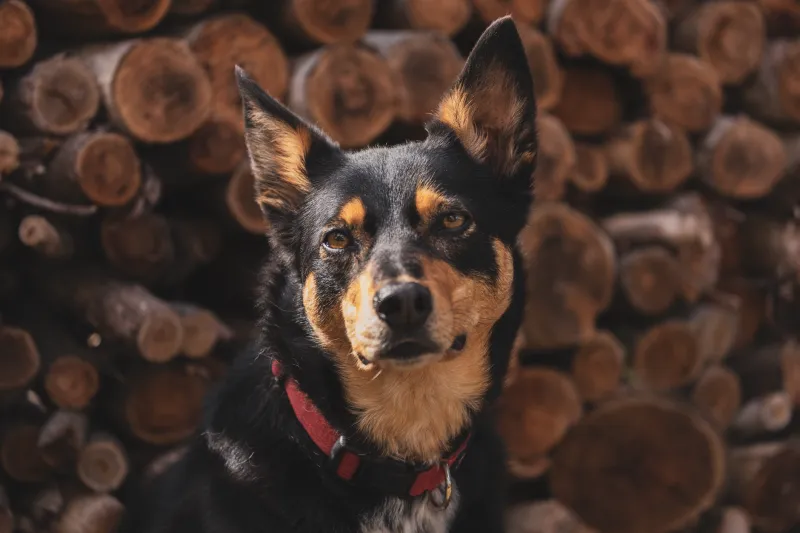
That treat bag sound is famous for a reason. It's not the treat itself — it's the anticipation. When a dog hears that crinkle, two things happen at once: the ears rotate forward like little satellite dishes, and the eyes widen with focus. That's the look. That's the expression that ends up framed on a mantel.
The key is timing. Make the sound, hold the pose for two or three seconds, then reward. Repeat that cycle and most pets learn the game fast. The photo happens in that brief window between hearing the sound and getting the payoff.
Cats respond to different triggers, but the principle is identical. A feather wand wiggling just behind the camera, a dab of catnip spray, even the sound of a can opener from another room can produce that alert, engaged stare.
The Photographer's Toolkit: Sounds, Props, and Positioning
Beyond the treat bag, here's what's actually in a working pet photographer's bag:
- Squeaky toys, used sparingly. One squeak gets the head tilt. Ten squeaks and your pet is bored. Ration them like gold.
- The "peep" trick. A photographer friend swears by making a small, high-pitched chirping sound — think injured bird — just above the lens. It works on dogs and cats alike because it's unusual enough to earn attention without triggering a bark or a pounce.
- Treats above the lens. A smelly treat (freeze-dried liver is the US standard for a reason) held right at the top of the camera gets that upward gaze and perked expression.
- The helper. Someone standing behind you with a toy is worth more than any lens you can buy. One person shoots, one person entertains.
- Novel sounds. A plastic bottle half-crushed, a keys jingle, even a dog app on your phone — novelty is what earns the ears-up look, so rotate your arsenal.
Positioning matters just as much. Shoot at your pet's eye level, not from above. Get down on the floor. The difference between a snapshot and a portrait is usually about eighteen inches of kneeling.
Troubleshooting: When Your Pet Couldn't Care Less
Not every pet plays along, and that's normal. Here's how to handle the common holdouts.
The pet who ignores every cue. Stop competing with the environment. Move to a quieter room, close the blinds, and reduce the number of distractions before adding your sounds back in. A bored pet is a receptive pet.
The pet who hates the camera. Some animals have learned that the camera means the end of fun, or they're wary of the lens itself. Try shooting from farther away with a longer zoom, or let the camera sit out on the coffee table for a few days so it stops being a strange object. Your phone counts — it's not the device, it's the association.
The pet who freezes under attention. Some dogs lock up when everyone stares and goes quiet. Counterintuitively, keep talking, keep moving, keep the mood loose. Ask your pet to do something they know — sit, spin, touch — and photograph the moments in between commands. A pet mid-activity is a pet mid-expression.
The pet who only has eyes for the treats. If your dog stares at the treat hand instead of the camera, hold the treat directly above the lens or hide it in your other hand. The eyes should land where you want them, not where the snack lives.
Timing Is the Whole Game
Here's what separates a lucky shot from a repeatable one: shooting in short bursts. Pets have attention spans measured in minutes, not sessions. Plan for five to ten minutes of actual shooting, take breaks, and quit while everyone's still having fun. A pet who ends the session wanting more will bring that energy back next time.
And shoot in bursts when the moment comes, too. That ears-up expression lasts a second and a half. Set your camera or phone to burst mode and let it rip — you can delete the eleven near-misses later.
The Expression You're Really After
At our studio, we remind every client of the same thing: the goal isn't a technically perfect face. It's the face that makes you stop in your tracks when you walk past the frame — the one that looks like them.
That expression usually shows up not on the first squeak, but on the third or fourth, when your pet relaxes into the game and starts playing along. So keep the treats handy, keep the sessions short, and keep shooting through the outtakes. Somewhere in there is the portrait you'll treasure for the rest of their life — and long after.