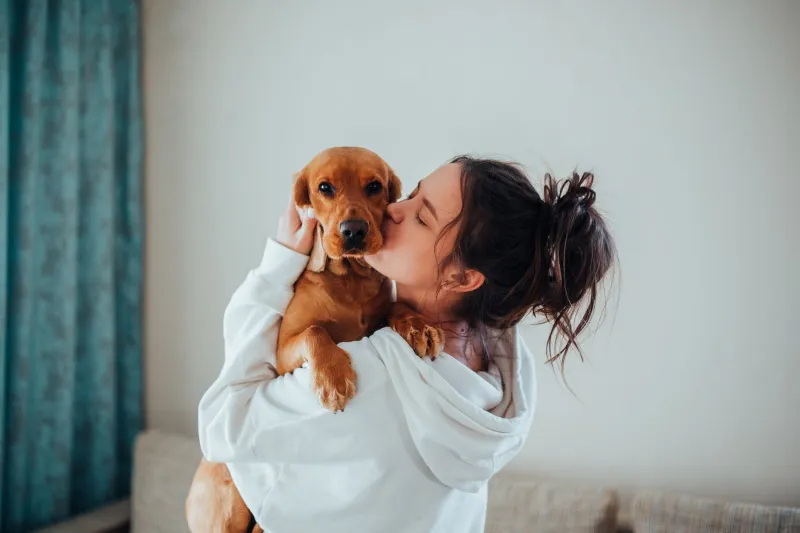
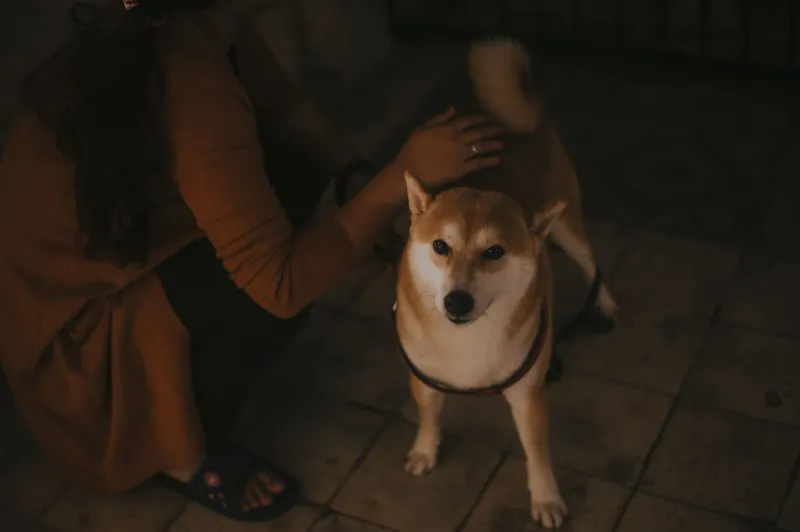
Every Room Remembers: Turning Your Pet's Favorite Corners Into a Portrait Story
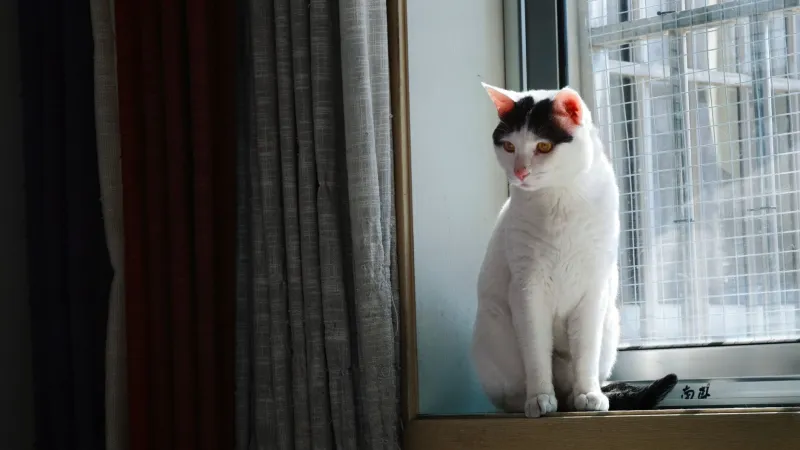
Walk into any pet owner's home and ask one simple question: where does your pet spend the most time? The answer comes instantly, usually with a laugh. The cat owns the south-facing windowsill from noon until four. The dog has claimed the exact square of hardwood in front of the kitchen doorway where he can see both the back door and the refrigerator. These spots aren't random. They're the geography of your pet's daily life—and they're the most powerful staging grounds you'll ever have for a portrait that actually means something.
Why the Backdrop Should Be Their Biography
Studio portraits have their place. A clean backdrop, perfect lighting, a formally posed pet—there's real value in that classic look. But when we sit down with families for tribute sessions, the images that make them tear up are almost never the ones with the seamless paper background. They're the ones taken where the story happened.
The worn patch of carpet by the sliding door tells you something no studio ever could. The dog bed that's been moved three times but always ends up back in the living room says something about this family's rhythms. When your pet is gone, these rooms become landmarks of memory. A portrait taken there isn't just a picture of your animal—it's a picture of your life together.
The Windowsill: Nature's Softbox
If your cat has a favorite window, you already have the best lighting setup in the house. Window light is soft, directional, and flattering in a way that flashes simply can't imitate. Photographers call a big window a natural softbox, and they're not wrong.
The trick is timing. Watch when the light hits that sill. In most US homes, east-facing windows glow in the morning while west-facing ones warm up in the late afternoon—golden hour territory that turns an ordinary tabby into something luminous. Position yourself at the pet's eye level, slightly angled toward the window, and let the light fall across their face. Resist the urge to add flash. The quiet, slightly moody quality of window light is exactly what makes these portraits feel intimate.
The Foot of the Bed: Shooting the Low Life
Dogs and cats who sleep at the foot of the bed have chosen the most emotionally loaded spot in the house. That's prime portrait real estate, but it comes with a technical challenge: you'll be shooting low, probably lying on the floor or kneeling awkwardly at 6 a.m. because that's when the light is right.
Worth it. Get down to their level. Photos taken from standing height flatten pets into small objects on a big bed. Photos taken from the mattress itself, close and low, put the viewer right in the scene—like they could reach out and scratch an ear. Morning light through bedroom curtains, diffused and hazy, adds a softness that suits these sleepy, vulnerable moments perfectly.
The Kitchen Doorway: Capturing the Greeter
Some pets are door greeters. They hear a key in the lock from three rooms away and arrive at the kitchen doorway with their whole body wagging. This spot—thresholds, hallways, entry points—is trickier to light because it's often a mix of indoor shade and bright exterior light. Your camera will want to blow out the background.
The fix: expose for your pet, not the room. On a phone, tap on your animal's face to lock the exposure. With a camera, spot metering is your friend. And lean into the drama—backlit silhouettes in a doorway, with rim light glowing along fur, can produce some of the most striking portraits you'll ever take.
Staging Without Over-Staging
Here's the line professionals walk constantly: enhance the scene, but don't redecorate it. Move the laundry basket out of frame, sure. But leave the chewed-up toy lying two feet away. Keep the blanket that's clearly been loved to death. Those imperfections are the point.
A few practical touches that help without lying:
- Follow their routine. Schedule the shoot around when they naturally visit the spot. A treat placed on a favorite perch will bring them back without coaxing.
- Use what's already there. A sunbeam, a windowsill, a stack of books they always sit beside—these are props you didn't have to buy.
- Shoot wide, then tight. One frame that shows the whole room and their place in it, then close-ups that capture the details. Together, they tell the full story.
- Be patient. The best room-by-room sessions unfold over an afternoon, not twenty minutes.
A Tour Worth Taking
If you're planning a tribute session—or just a weekend of photographing your senior pet—try thinking of your house as a series of chapters. The kitchen where they beg. The couch where they nap. The hallway they patrol at night. One portrait per room, taken where they actually lived, adds up to something no single posed shot can deliver.
Years from now, when you look back, you won't just see their face. You'll see the whole world they made theirs—one sunny sill, one doorway, one worn cushion at a time.