Why You Keep Going Back to That One Photo: The Science Behind Your Pet's Most-Visited Portrait
The Photo You Can't Stop Opening
You're mid-scroll, looking for something completely unrelated, and then—there it is. That one photo. Maybe it's your dog mid-leap in afternoon light. Maybe it's your cat curled into a perfect circle on the corner of the couch she claimed years ago. You stop. You zoom in. You stare for a beat longer than you planned, then keep scrolling, only to loop back to it twenty minutes later.
If you've ever caught yourself doing this, you're not alone—and you're definitely not being dramatic. There's something genuinely compelling happening when a single image earns that kind of repeat attention. It's not random. It's not just because the photo is technically beautiful. There's a whole tangle of psychology, memory, and visual design working together to make certain pet portraits feel almost magnetic.
Understanding why that happens? It might just change the way you think about photographing your pet entirely.
Your Brain Is Wired to Hold On
Human beings form deep emotional attachments to their animals—that much isn't news. But what's interesting is how photography interacts with that bond. When you look at a photo of someone you love (yes, pets absolutely count), your brain activates regions associated with reward and social connection. You get a small but real emotional response. A tiny hit of warmth.
For pet owners especially, this can be amplified by something researchers call anticipatory grief—the awareness, often sitting quietly in the background, that your pet's time with you is finite. Photos become a way of holding on. Not in a sad way, necessarily. More like a ritual. A way of saying you matter, and I'm not forgetting a single version of you.
The photos you return to most often tend to be the ones that activated that emotional response the first time you saw them. Your brain essentially bookmarks them. Over time, returning to those images reinforces the memory and deepens the attachment—which is why some photos feel more emotionally loaded every time you look at them, not less.
What Makes a Photo Emotionally Magnetic
Not every photo earns that kind of devotion. So what separates the ones you scroll past from the ones you keep revisiting?
Authentic expression. The shots that stop people cold are almost never the posed, stiff ones. They're the images that caught something true—a look your pet gives you and only you, a moment of pure joy or deep calm, an expression that made you think that's them, that's exactly them. Authenticity registers immediately, even subconsciously.
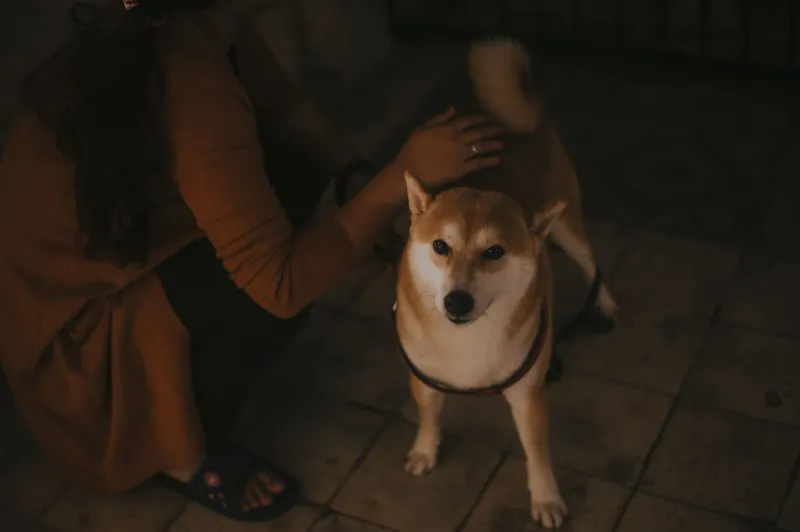
Light that feels like a feeling. Warm, golden-hour light doesn't just look pretty—it actually triggers associations with safety, comfort, and memory. Soft window light does something similar. The brain connects certain lighting conditions to specific emotional states, which is why a well-lit portrait can feel almost nostalgic even when it's recent.
Eye contact. When a photo captures your pet looking directly at the camera—or directly at you—it creates a sense of presence that flat, distracted shots don't. It feels like being seen. Like the photo holds some version of a conversation between the two of you.
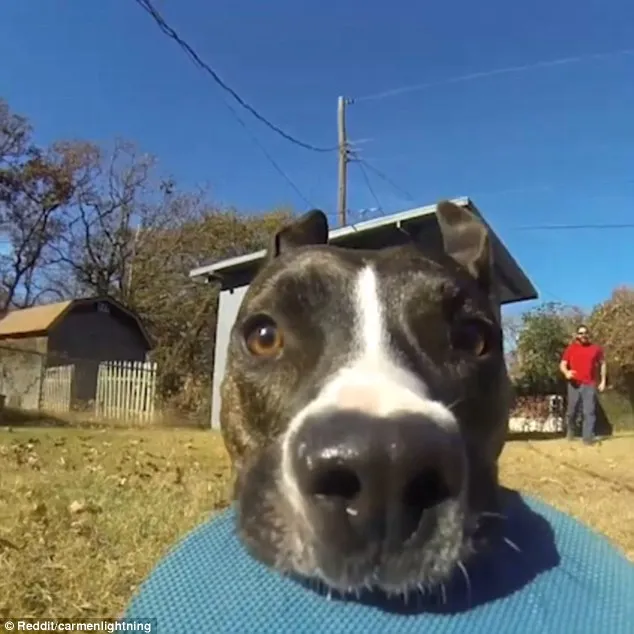
Scale and framing. Close-up portraits that fill the frame with your pet's face tend to generate stronger emotional responses than wide shots. Proximity matters. The closer the image feels, the more intimate the viewing experience.
The ordinary made extraordinary. Some of the most revisited photos aren't dramatic at all. They're your dog on the same couch cushion he always claimed. Your cat in the sunbeam she found every single morning. Familiarity is its own kind of power—those images confirm something you already knew and loved.
The Role of Composition (Even When You Don't Notice It)
Here's something most pet owners don't realize: composition affects your emotional response to a photo even when you're not consciously aware of it. A subject placed slightly off-center feels more dynamic and alive than one centered in the frame. Leading lines—the edge of a couch, a fence, a path—draw your eye naturally toward your pet, creating a sense of intention. Negative space (all that empty room around your subject) gives the image room to breathe and makes your pet feel like the center of their own world.
When photographers talk about composition, it can sound technical and distant. But the reason these principles exist is because they work on a human level. They guide how your eye moves through an image, and by extension, how the image makes you feel. A well-composed pet portrait doesn't just look better—it lands differently.
How to Intentionally Create Photos You'll Keep Coming Back To
Knowing all of this, you can actually be more deliberate about the photos you take—or the sessions you book.
Prioritize connection over perfection. The goal isn't a technically flawless image. It's an image that captures something real. Get your pet in a comfortable environment, let them settle, and wait for a moment that actually means something.
Think about light before you think about anything else. Natural light, especially in the morning or late afternoon, is almost always more flattering and emotionally resonant than overhead or artificial lighting. Position your pet near a window. Shoot outside during golden hour. The difference is immediate.
Get closer than you think you should. Fill the frame. Let your pet's face take up most of the image. You can always back up, but tight, intimate shots tend to be the ones that stick.
Capture the everyday stuff. That weird way your dog sleeps. The exact spot your cat always picks. The look they give you when you open the treat cabinet. These moments feel small right now. They won't always.
Work with a professional when it matters most. There's a reason certain portraits become the photo—the one you frame, the one you pull up on the hard days. A professional pet photographer understands light, timing, and animal behavior in ways that translate directly into images with staying power. It's not about having fancy equipment. It's about knowing what to look for and how to catch it.
The Photo That Holds Them
Someday, the photo you keep returning to might mean something different than it does today. It might be the one that helps you remember them on a hard anniversary. It might be the image you share when you want someone to understand who they were. It might just be the thing you look at when you need a quiet moment with someone you love.
That's not a small thing. That's worth being intentional about.
The best pet portraits don't just document your animal—they hold them. They give you somewhere to go. And when you find yourself stopping mid-scroll for the hundredth time, zooming in, staying a little longer than you planned, you'll know: that's exactly what a great photo is supposed to do.