When the Session Falls Apart: The Surprising Magic Hidden Inside Messy, Uncooperative Pet Photos
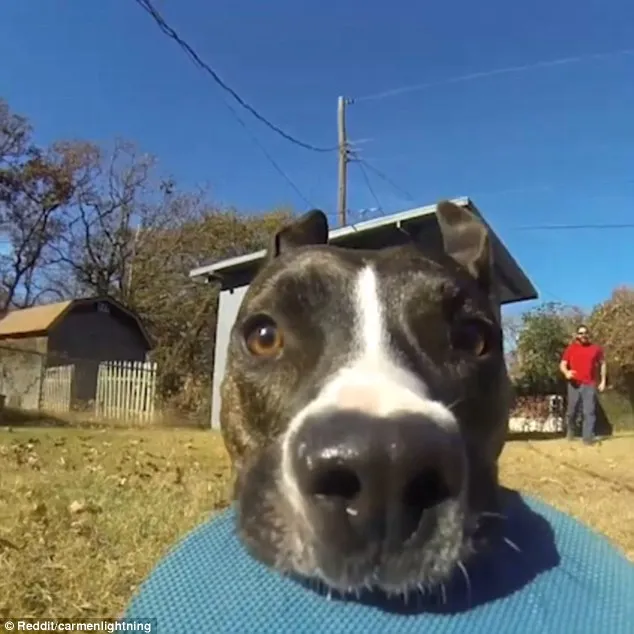
Photo: dog knocking over camera equipment during photo session candid funny, via i.dailymail.co.uk
You had a vision. Maybe you'd seen a gorgeous portrait online — soft natural light, a calm dog gazing soulfully into the camera, the whole thing looking like it belonged in a gallery. You showed up ready. You had treats. You had patience. You had a plan.
And then your cat immediately hid under the couch. Or your dog decided that the backdrop was, in fact, a chew toy. Or the golden-hour light you were counting on vanished behind a wall of clouds two minutes into the shoot.
So the session felt like a failure. A waste of time, maybe. Something to reschedule and do over "properly."
Before you delete those photos — stop. Because what you might be looking at isn't a failed session. It might just be your pet's most honest portrait yet.
Why We Get Attached to the Idea of a Perfect Shot
There's a reason we go into pet photography sessions with a mental image already locked in. We want to do justice to an animal we love deeply. We want the photo to look like how we feel about them — beautiful, meaningful, worthy of being framed and hung on the wall.
That impulse is completely understandable. But it can also work against us.
When we're chasing a specific outcome, we sometimes stop actually seeing what's happening in front of the camera. We're so focused on getting the dog to hold a sit-stay that we miss the ridiculous, delightful way he keeps flopping onto his back and staring at the ceiling. We're so frustrated that the cat won't look at the lens that we don't notice how gorgeous she looks in profile, eyes half-closed in that particular expression of supreme indifference she's had since kittenhood.
The "perfect" shot we're chasing is a version of our pet. The imperfect shots? Those are often the real thing.
What Actually Happens When a Session Goes Sideways
Here's something photographers who've worked with animals for any length of time will tell you: the sessions that go off-script tend to produce the most interesting work.
When the plan collapses, a few things happen simultaneously. The human in the room relaxes their grip on the outcome — even just a little. The pet, who has zero investment in your vision board, keeps doing exactly what they were going to do anyway. And the camera, if someone's still paying attention, starts catching real life instead of a performance of it.
The dog who won't stay still? He's showing you his actual energy — the bounciness that drives you a little crazy and that you'd give anything to bottle up forever. The cat who turned her back on the whole operation? That's her personality. That's who she is. And years from now, when you look at a photo of her doing exactly that, you're going to laugh and cry at the same time, because it's so completely, perfectly her.
Failed sessions have a way of stripping away the artificial and leaving you with the authentic.
The Lighting That Wasn't "Right"
Let's talk about light for a second, because bad lighting is one of the most common reasons people write off a set of photos.
The overcast sky that flattens everything. The late-afternoon indoor light that's too warm and a little dim. The harsh midday sun that creates shadows you didn't want. None of these are the controlled, flattering light you were hoping for.
But here's the thing: imperfect light is often evocative light. That warm, dim indoor glow? It looks like home. It looks like a Tuesday afternoon in the house where your pet lives. It looks like your life together. The moody overcast shot of your dog in the backyard might not be technically beautiful, but it might feel more like a real memory than any perfectly lit portrait ever could.
Some of the most beloved pet photos in existence were taken in "bad" light. Because bad light, it turns out, is often just honest light.
How to Reframe What You're Looking At
If you've just come back from a session that didn't go the way you hoped, here's a shift in perspective worth trying before you write the whole thing off.
Instead of asking "Did I get the shot I wanted?" ask "What did I actually capture?"
Go through the images — even the blurry ones, even the ones where your pet is mid-sneeze or looking the wrong direction — and look for the ones that feel true. Not polished. Not posed. True.
Ask yourself: does this look like my animal? Does this feel like a moment I recognize? Is there something in this photo — an expression, a posture, a quality of light — that I've seen a hundred times in real life but never thought to photograph?
Those are the keepers. Even if they're not what you planned.
Giving Yourself Permission to Love the Imperfect
American culture has a complicated relationship with imperfection. We're surrounded by heavily edited images, curated feeds, and the constant pressure to present things — including our pets — in their best possible light. It makes sense that we'd internalize those standards and apply them to our photography.
But the families who come to us after losing a pet never, ever wish they had more polished photos. What they wish for is more — more of anything, more moments, more evidence that their animal was here and was loved and was real.
A photo where your dog's ears are flopped sideways and his tongue is hanging out at a weird angle is not a failed photo. It is proof that he existed. That he was goofy and alive and yours.
That's not a small thing. That's everything.
What to Do With a "Failed" Session
If you've got a batch of photos from a session that went sideways, here are a few practical things worth trying:
Set them aside for a week. Fresh frustration makes it hard to see clearly. Come back when the irritation has faded and look again with fresh eyes.
Show them to someone who loves your pet. Another person — a partner, a friend, a family member — might immediately spot the magic in a photo you've been dismissing. Outside perspective is underrated.
Look for the one. You don't need the whole session to be great. You need one photo that feels right. One is enough to frame. One is enough to keep.
Talk to your photographer. If you worked with a professional and you're disappointed with the results, have an honest conversation. A good pet photographer will look at those images with you and help you find what's worth saving — because there almost always is something.
The Session You Almost Threw Away
Some of the most meaningful portraits we've ever seen came from sessions that the pet owner was ready to write off entirely. The lighting was wrong. The pet wouldn't cooperate. The whole thing felt like a waste.
And then, somewhere in the middle of all that chaos, the camera caught something real.
That's the thing about photographing animals. They don't perform for us. They don't understand what we're trying to do or why it matters. They just exist — fully, completely, without apology — and if we're paying attention, we get to document that existence.
The session you thought was ruined might be the one you end up treasuring most. Don't be too quick to let it go.