What Goes in the Bag: The Small Belongings That Anchor a Tribute Portrait Session
Photo: Siarhei V, CC BY-SA 4.0, via Wikimedia Commons
Nobody hands you a checklist when you book a memorial portrait. You say yes on the phone, you pick a date, and then you spend the next two weeks wondering whether you're supposed to show up with anything besides yourself and a very raw heart.
You are. And packing the bag the night before is often the gentlest part of the whole experience—a small, concrete task you can control in the middle of something you can't.
Why the Bag Matters More Than It Sounds
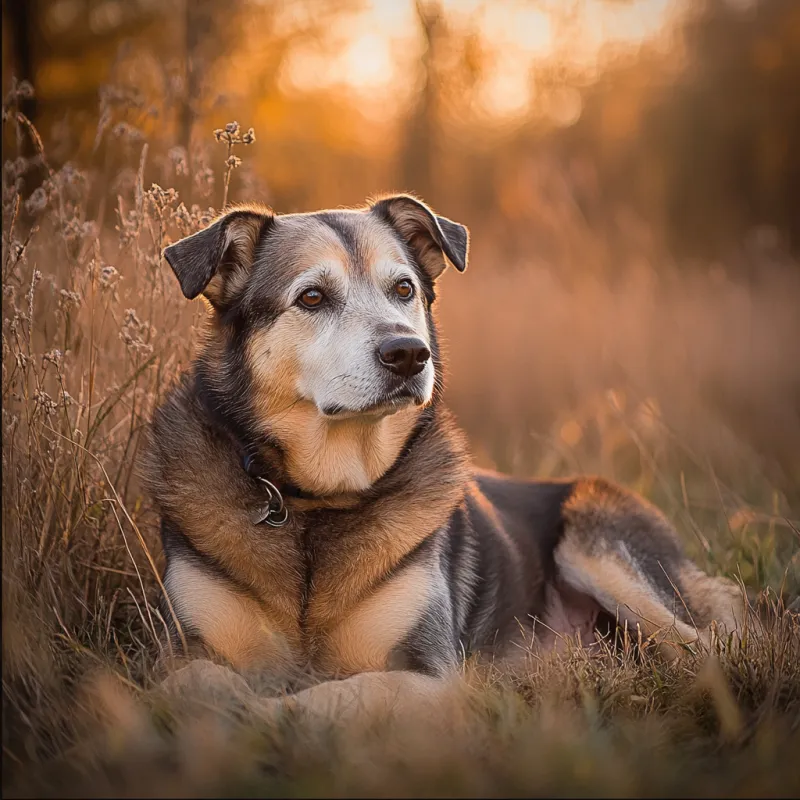
A tribute session is not a normal photoshoot. There's no coordinated outfit, no "bring three options," no Pinterest board. What there is, instead, is a collection of objects that carry an entire relationship. Photographers who do this work can build an entire session around a single collar. Having those things in one place, gathered deliberately, does two things: it gives the studio real material to work with, and it gives you something to hold on the drive over.
Pack the night before. Not the morning of.
The Collar—and the Tag
Start here. Bring the collar your pet actually wore, not the fancy one from the pet store that never made it out of the drawer. Scuffs, stretched leather, a frayed edge where a tooth caught it—all of that is the point.
The tag is its own small treasure. Many studios will photograph a tag on its own against a clean surface, or rest it on a blanket for a quiet detail shot. If you have multiples—rabies tag, city license, the hand-stamped one from a vacation—bring the whole jangling set.
The Toy That Survived
You know the one. One eye. No squeaker. Possibly a missing ear, possibly a concerning smell. Bring it anyway. A pristine toy says "I went to a store." A destroyed toy says "this animal was here, and this was their favorite thing in the world."
If the toy is too fragile to travel, a photo of it on your phone works fine.
The Blanket That Still Smells Like Them
This is the item people hesitate over, and it's the one worth being unembarrassed about. A blanket, a bed cover, a section of a couch cushion. Photographers are used to it. If it's been a while and the scent is gone, bring it anyway—you'll recognize it, and that's what matters.
One practical tip: put it in a zipper bag so it arrives clean and stays that way in the car.
A Photo From the Younger Days
Bring one printed photo from earlier in your pet's life—the goofy puppy shot, the ridiculous haircut from a few years back, the blurry one taken on an old phone. Studios can use it in a few ways: as a companion piece in a composite, as reference for retouching, or simply as a prompt for conversation that loosens everyone up before the shutter starts clicking.
A Note About Their Quirks
This is the item almost nobody thinks of, and it's the one that changes sessions. Write down five things: how they asked for dinner, the noise they made at the doorbell, the spot on the couch that was theirs, the thing that scared them, the thing that made them lose their mind with joy.
Hand it to the photographer at the start. It gives them something to work with beyond appearance—and it often ends up shaping the whole mood of the shoot. A dog who always slept with one paw over their face is a photograph waiting to happen, and no one would know that unless you said it.
The Practical Stuff Nobody Mentions
- Tissues. Bring a box, not a pocket pack. Leave it in the car if you don't want it in the frame.
- A lint roller. Especially if you're wearing black and the blanket is coming out of the bag.
- Water and a snack. Grief is physically taxing. Low blood sugar makes everything harder.
- A friend who drives. If you think you might not want to be behind the wheel afterward, bring someone. This is not an overreaction.
- A second bag for the car. Some owners want to hand everything over and not carry the collar back out. That's allowed.
What to Leave at Home
You don't need to bring everything. If a particular object is too painful to hand to a stranger—an urn, a final clay paw print, a lock of fur in a sealed envelope—leave it. No photographer worth booking will push. There will be another way to honor that piece of the story, and it doesn't have to happen in a studio.
Handing the Bag Over
The moment you set that bag on the counter is usually the moment the session begins for real. Some people talk through every item. Others just slide it across and step back. Both are fine.
And when you leave, you'll have a bag of ordinary objects and a set of photographs that turn them into something else entirely—proof that a life happened here, and that you were paying attention the whole time.